Accessibility as the foundation of good usability
At this year’s World Usability Day, we reinforced a simple but powerful message: accessibility is not an add-on, it is a core element of meaningful, human-centered design. The event brought together experts from Like Magic, Hope Tech and Keynoa Technologies, and showed how user-centered innovation is gaining momentum across industries. With the support of GDG Vienna, VÖSI Accessibility in ICT and the Hilfsgemeinschaft der Blinden und Sehschwachen Österreichs, the focus on inclusive design was stronger than ever.
How XREye contributed
As the start of the event, our CEO gave a talk and explained what living with a vision impairment can mean for everyday tasks and why we at XREye believe it is so important to make these conditions understandable in an immediate and immersive way. She described how low vision affects navigation, reading, orientation and interaction, and showed examples of different vision conditions simulated with XREye. Using familiar real-world scenarios, she highlighted how common barriers can arise and how they often go unnoticed until people experience them first-hand.
Why this matters for usability
Usability is not only about ease of use for the majority. It is about designing products, environments and digital experiences that work for everyone. By making visual limitations visible, XR helps designers, developers and stakeholders rethink their approach and consider accessibility from the very beginning. It turns abstract concepts into relatable experiences and creates a shared understanding of what inclusive design truly requires.
A shift in the design culture
What we saw at World Usability Day was more than talks and a panel discussion.
The event showed that accessibility is becoming a defining quality of responsible innovation. Organisations are increasingly aware that good usability cannot exist without considering the needs of people with disabilities and chronic conditions. The event created a space to exchange ideas, confront assumptions and talk about methods that can support inclusive design.
Looking ahead
We left the event inspired by the exchange of experiences and ideas around accessibility and how each of us can contribute to a more inclusive society. At XREye, we will continue advocating for design that acknowledges real-world diversity and enables equitable experiences for everyone. Making accessibility visible and understandable remains one of our most important contributions to the future of usability and inclusive design.
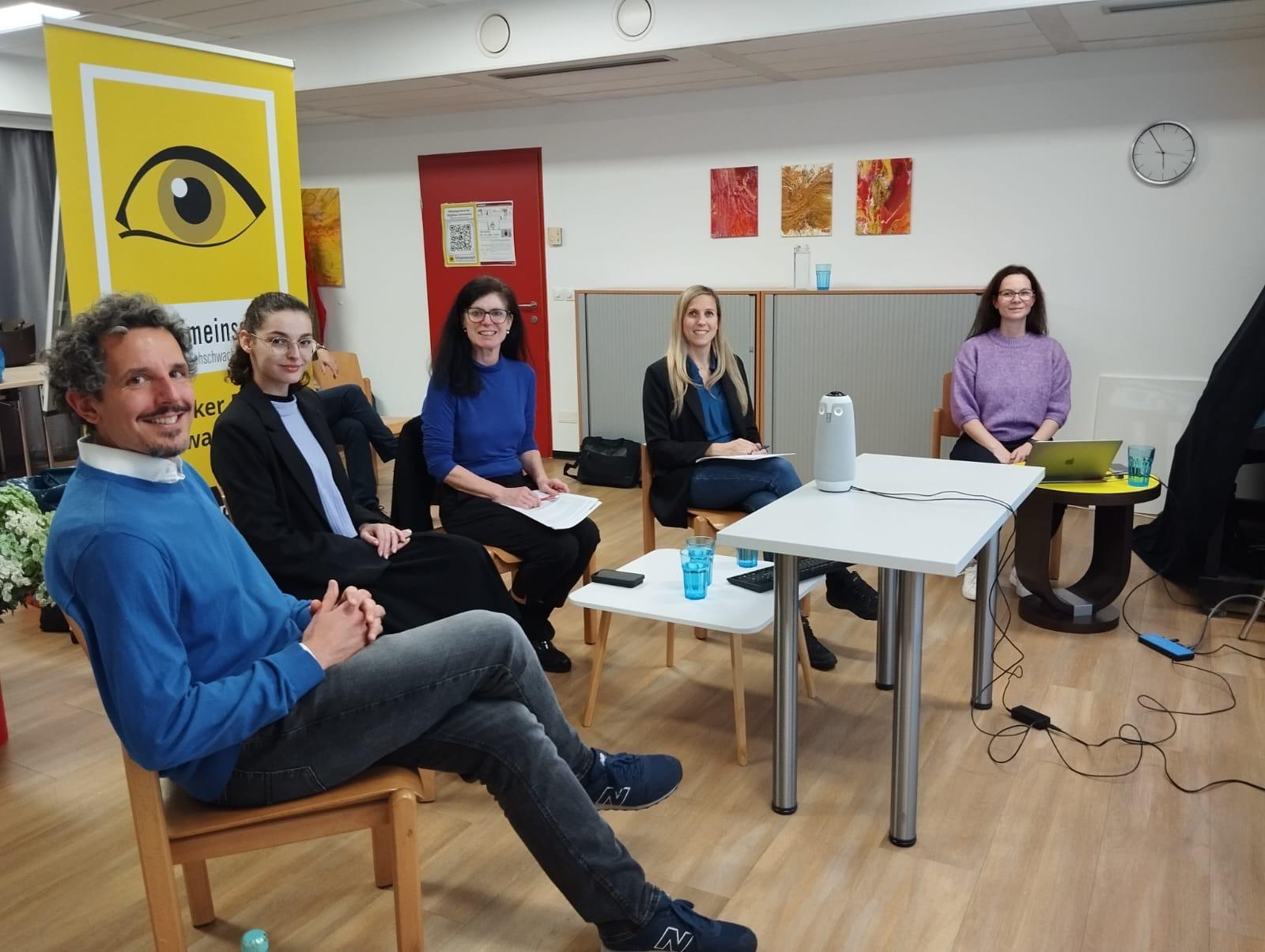
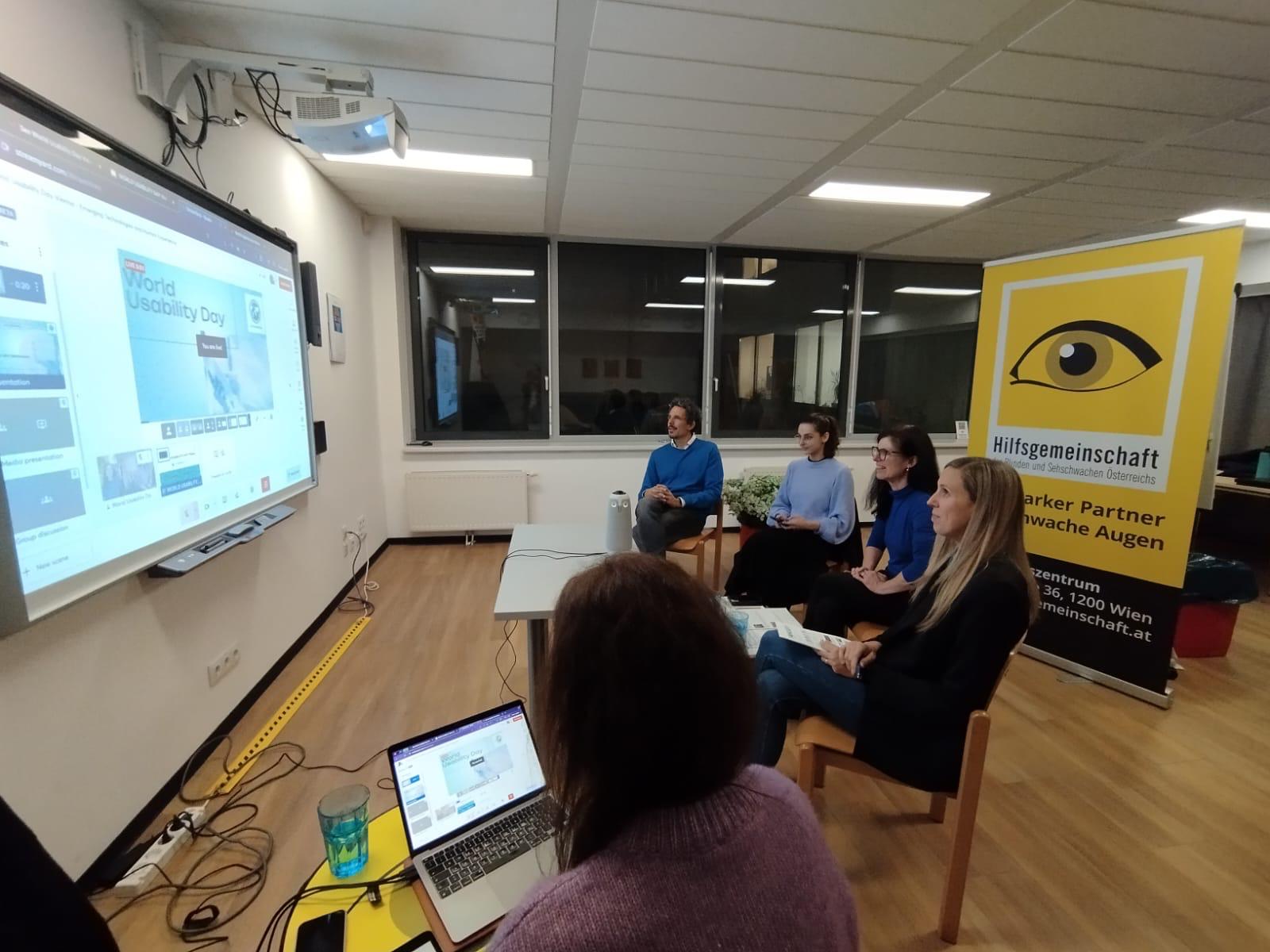
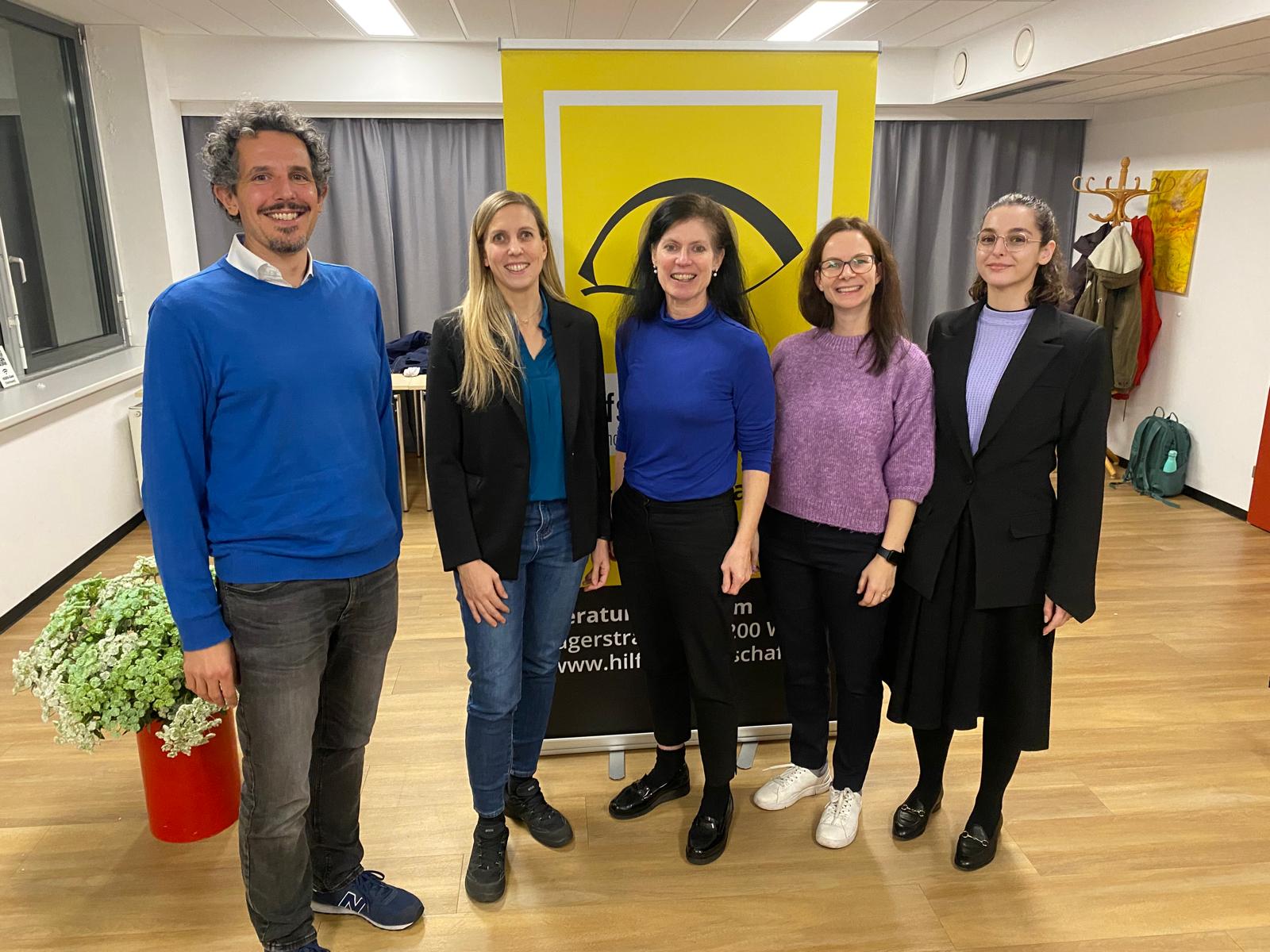
photo credit: Claudia Haarer, Hilfsgemeinschaft der Blinden und Sehschwachen Österreichs